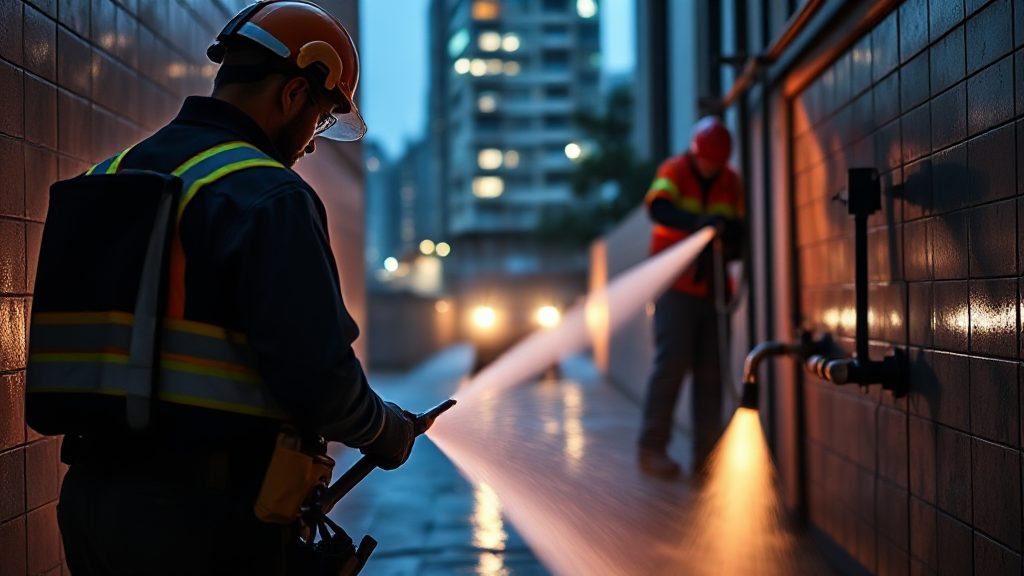
5 Things to Have Ready Before You Call a Desentupidora Iguape
When a drain backs up, most people grab the phone first and think second. That is understandable, but it makes the job harder for everyone. Before you dial a desentupidora Iguape, take two minutes to gather a few basics: the exact address and access instructions, a short description of what is backing up and where, whether the problem is inside the property or at the street connection, and any prior repair history you know. With those in hand, the technician can choose the right equipment before arriving and you avoid a second visit.
What you need ready before the technician arrives
I teach this checklist to new crew members because the first five minutes on site decide whether a job goes smoothly. A blocked drain is rarely just a blocked drain; it is a small investigation. The caller who can answer a few practical questions saves the team a lot of guesswork.
1. A clear address and access details
Iguape has narrow streets near the historic center, gated condominiums, and homes where the sewer access point sits behind a wall or under a parked car. Tell the dispatcher where the cleanout or inspection box is, whether a gate code is needed, and whether the truck can park within hose reach. A hydro-jetting truck needs a water source and a clear path, so a vague address can turn a one-hour job into a three-hour one.
2. A short description of the symptom
Is water backing up in the shower, the kitchen sink, the laundry drain, or the floor drain? Is it slow, or completely stopped? Does it gurgle when you run another fixture? These details tell the technician whether you likely have a local clog, a branch line issue, or a main sewer obstruction. Write it down before you call so you do not forget the details under stress.
3. The history of the property
Older homes in Iguape may have clay or cast-iron pipes, tree roots near the line, or a septic system instead of a municipal connection. If you know when the line was last cleaned, whether a grease trap exists, or whether the property has had repeated backups, say so. A recurring problem is a different job from a first-time clog, and the crew will bring different tools.
4. A contact person who can make decisions
For rented properties, condominiums, or commercial kitchens, the person on site should be able to approve the work and sign off on the service report. This avoids the classic delay where a technician arrives, diagnoses the problem, and then waits for a landlord who is not present. If you manage the property remotely, give the crew a direct number for the decision-maker.
5. A realistic idea of the scope
Ask yourself whether this is a single fixture or the whole property. A single slow sink might be a trap clog, while multiple fixtures backing up at once usually points to the main line. That distinction helps you describe the emergency accurately and helps the company decide whether to send a simple drain snake or a full hydro-jetting setup.
How a typical emergency call unfolds from first contact
Once you call a desentupidora Iguape SP, the process usually follows a predictable sequence. Knowing it in advance keeps you calm and helps you ask the right questions.
Step 1: Triage on the phone
The dispatcher asks where the water is backing up, how long it has been happening, and whether there is any sewage overflow. If there is raw sewage in a living area, that is treated as a priority because of the health risk. You will also be asked about access and parking, which is why the checklist above matters.
Step 2: Arrival and inspection
The technician inspects the cleanouts, floor drains, and any inspection boxes. In many cases, a camera inspection reveals roots, grease buildup, or a collapsed section of pipe. The technician should explain what was found before starting work, so you understand whether the fix is a simple clearing or a larger repair.
Step 3: Clearing the line
For soft clogs, a motorized snake or drain auger may be enough. For grease, scale, and roots, hydro-jetting uses high-pressure water to scour the pipe walls. For a septic tank that is full, pumping is the correct step. The right method depends on the diagnosis, not on what is fastest to sell.
Step 4: Testing and handover
After clearing, the crew runs water through the fixtures to confirm flow and checks for leaks at the connections. You should receive a short report of what was done and any recommendation for preventive maintenance. If the technician recommends a follow-up, ask why and what happens if you skip it.
What to check before you approve the work
Approving work is not just a formality. A few checks protect your property and your wallet.
- Confirm the diagnosis in plain language before any equipment goes into the line.
- Ask whether the price covers clearing only or also includes inspection and cleanup.
- Check that the technician has identified the correct cleanout and is not opening a random cap.
- Make sure the work area is protected, especially in kitchens and bathrooms.
- Ask for the service report and keep it for your records.
If the crew proposes a larger repair, ask for a written explanation of what was found. A reputable desentupidora em Iguape SP will welcome the question. If the answer is vague, that is a warning sign.
Common mistakes that turn a small clog into a big bill
Most expensive drain problems start with a small mistake repeated over time. Teaching beginners to recognize these early saves customers money.
Pouring chemicals instead of diagnosing
Caustic drain cleaners can melt grease temporarily but often damage older pipes and do not remove roots or scale. They also create a hazard for the technician who later opens the line. If a clog returns within days, stop treating it and get an inspection.
Ignoring recurring backups
A drain that backs up every few months is telling you something structural is wrong. Roots, a sagging pipe, or a partially collapsed section will not fix itself. Preventive hydro-jetting and a camera inspection are cheaper than an emergency excavation.
Flushing the wrong things
Wipes, cooking grease, and hair are the three most common causes of blockages in residential lines. Even products labeled flushable can accumulate. A simple strainer in the kitchen and bathroom drains prevents most of these calls.
Skipping septic maintenance
Properties outside the municipal network rely on septic tanks. If the tank is not pumped on a sensible schedule, solids migrate into the drain field and cause failures that are far more expensive than a routine pump-out.
What a good outcome looks like after the crew leaves
The job is not finished when the water drains. A proper handover includes a flow test at every affected fixture, a check for leaks at the cleanout, and a short explanation of what caused the blockage. You should know whether the problem was local or in the main line, and whether any follow-up is recommended.
Ask for the service report and keep it with your property records. If the same drain acts up again, the report tells the next technician exactly what was done and when. That history is valuable, especially for condominiums and commercial kitchens where documentation matters.
Finally, use the visit as a preventive check. Ask the technician to point out the cleanouts and inspection boxes so you know where they are next time. A few minutes of orientation now can save you a panicked call later, and it turns a single emergency into better long-term maintenance for the property.