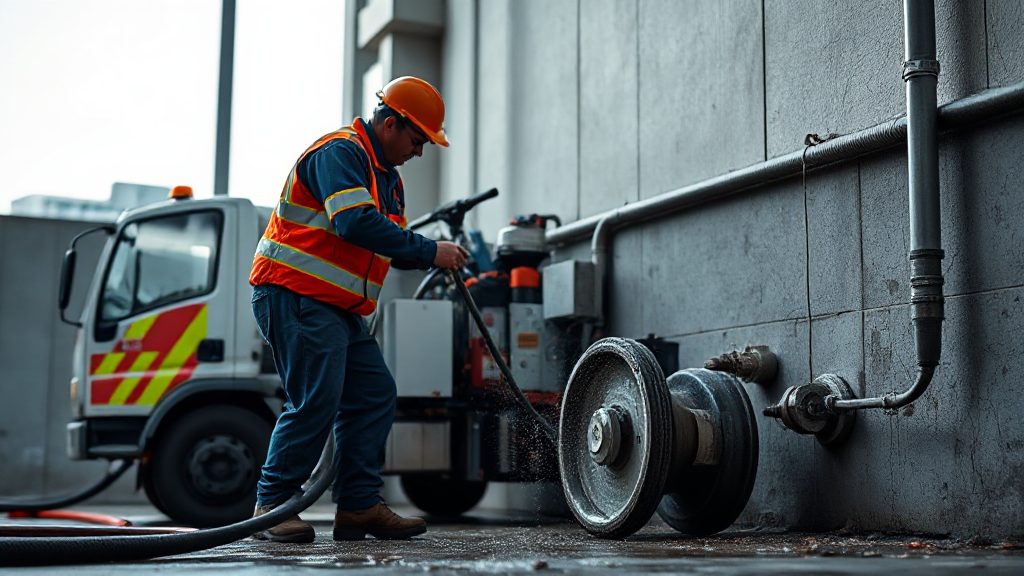
Emergency Drain Response vs. Preventive Maintenance: A Technician’s Checklist for Canindé Properties
Since the city’s drainage network has seen heavier loads and older buildings in Canindé are showing more frequent blockages, the way you handle a backed-up drain now matters more than it did a few years ago. If you are searching for a desentupidora em Canindé São Paulo SP, the quick answer is this: call a 24-hour team that uses mechanical clearing and hydrojetting, not just a plunger and hope. This checklist walks you through what to do from the first gurgle to the final flush, and how to decide between an emergency call-out and scheduled upkeep.
What Changed Recently and Why Your First Move Matters
Drain calls in Canindé now split into two clear groups: sudden emergencies and slow, recurring clogs. The emergencies are usually grease, roots, or collapsed pipe sections; the recurring ones are sediment and scale that build up quietly. The first move determines whether you pay for a quick clearing or a full pipe replacement.
As a support technician, I see the same pattern in tickets: a resident pours a chemical drain opener, the clog moves a few meters down, and two weeks later the whole line is blocked worse. The chemical melts grease into a sticky mass that catches everything else. That is why the checklist starts with stopping the wrong action, not with buying a tool.
Emergency Call Checklist: What to Do in the First 30 Minutes
When water is rising in a shower drain or the kitchen sink backs up every time you run the tap, follow these steps in order. Each one buys you time and gives the technician better information.
- Stop using water immediately. Every liter you pour adds pressure to a blocked line and can push sewage into other fixtures.
- Shut off the water supply to the affected fixture if you can reach the valve. For a toilet, turn the angle stop behind the bowl.
- Check other drains in the property. If two or more fixtures are slow, the blockage is in the main line, not the trap.
- Clear the area around the floor drain and remove any standing water with a bucket or wet vacuum, not a mop that spreads it.
- Call a desentupidora Canindé team and describe the symptoms: which fixtures, how fast the water rises, and whether there is a smell.
Do not open cleanout caps unless you are sure the cap is above the water level. A pressurized line can release a surge of wastewater. If the cleanout is in a basement or below grade, leave it to the technician.
Preventive Maintenance Checklist: What to Schedule Before a Blockage Happens
Preventive work is cheaper per visit and far less disruptive. For homes and small businesses in Canindé, a yearly inspection of the main line is usually enough. For restaurants and condominiums, quarterly checks make more sense because grease and food solids accumulate faster.
- Inspect the main cleanout for roots, cracks, and standing water. A camera inspection takes minutes and shows the real condition of the pipe.
- Hydrojet the line if you have had more than one clog in twelve months. High-pressure water scours grease and sediment from the pipe walls instead of punching a hole through the middle.
- Check the grease trap in commercial kitchens and pump it before it reaches half capacity.
- Test floor drains in garages and laundry rooms with a bucket of water; a gurgle means the trap is losing its seal.
- Schedule septic tank cleaning every two to three years for properties not connected to the municipal network.
A simple comparison helps decide the path:
| Factor | Emergency response | Preventive maintenance |
|---|---|---|
| Typical trigger | Water backing up now | Annual or quarterly schedule |
| Main tool | Mechanical snake or hydrojetter | Camera inspection and hydrojetting |
| Cost pattern | Higher per visit, unpredictable | Lower per visit, predictable |
| Risk | Property damage if delayed | Minimal disruption |
Tools and Methods a Technician Should Bring
When a desentupidora Canindé São Paulo SP team arrives, you should see a clear sequence of equipment, not a single hand tool. The right method depends on the blockage type and pipe material.
Mechanical snakes and augers
These work well for traps, toilets, and short runs. A drain snake cuts through soft clogs but can damage older PVC if forced. A technician should use the smallest head that clears the blockage.
Hydrojetting
High-pressure water jets clean the full circumference of the pipe. This is the standard method for grease, sediment, and roots in main lines. It requires a pumper truck and a trained operator, so it is not a DIY option.
Camera inspection
A camera on a flexible rod shows cracks, bellies, and root intrusion. Without it, a technician is guessing. Ask for a camera check after any main-line clearing that took more than an hour.
Variations for Different Property Types
The same checklist adapts to different situations. A condominium manager needs a different sequence than a homeowner.
Apartments and condominiums
Start with the vertical stack, not the individual unit. If multiple units report slow drains, the blockage is in the shared line. Notify neighbors before hydrojetting because pressure can push water into lower units.
Restaurants and commercial kitchens
Grease is the main enemy. Schedule hydrojetting before the grease trap reaches half capacity, and keep a log of every cleaning. Health inspectors in São Paulo state look for that log during routine visits.
Older houses with clay or cast-iron pipes
These pipes are more fragile. A camera inspection before any mechanical clearing prevents a cracked line. If roots are present, hydrojetting with a root-cutting head is safer than a rotating snake.
Common Mistakes That Turn a Small Clog into a Big Bill
Most expensive repairs start with a cheap fix. Here are the mistakes I see most often in service tickets.
- Pouring chemical drain cleaner repeatedly. It damages pipe joints and creates a hazardous mixture for the technician.
- Using a plunger on a main-line blockage. It adds pressure without clearing the clog and can force wastewater into other fixtures.
- Ignoring a slow drain for weeks. Slow drains are the warning stage; emergencies are the consequence.
- Hiring a team without a camera. Without inspection, you cannot know whether the pipe is clear or just punched through.
- Forgetting to ask about emergency availability. A 24-hour response matters when a backup happens at night or on a weekend.
A blocked main line is a health hazard, not just an inconvenience. Wastewater carries bacteria, and standing water in a kitchen or bathroom should be treated as contaminated until the line is cleared and the area is disinfected.
Frequently Asked Questions
How quickly can a desentupidora arrive in Canindé?
Response time depends on traffic and the time of day, but a 24-hour emergency service typically gives an arrival window when you call. Have your address and a description of the blockage ready to speed up dispatch.
Is hydrojetting safe for all pipes?
Hydrojetting is safe for most PVC, cast-iron, and clay pipes when the operator adjusts pressure to the pipe condition. A camera inspection first confirms there are no cracks that pressure could worsen.
How often should I schedule preventive cleaning?
Once a year for a typical home, quarterly for restaurants and condominiums with shared lines. If you have had two or more clogs in a year, move to a preventive schedule immediately.
Can I clear a main-line blockage myself?
Small trap clogs are fine to handle with a plunger or hand snake. Main-line blockages, sewage backups, and anything involving a cleanout below grade should be handled by a professional team with the right equipment.