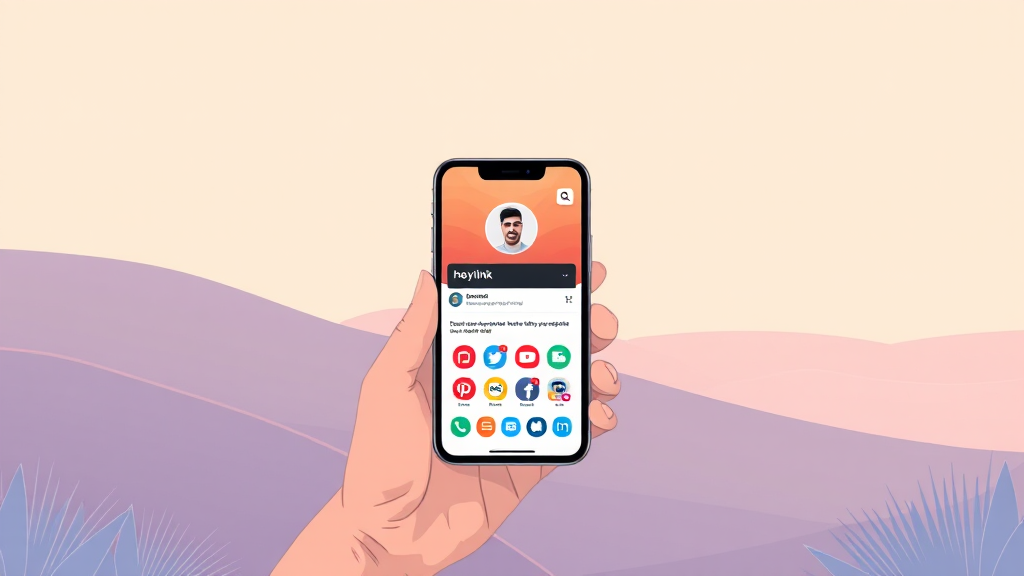
Why a Single Link Hub Matters: Exploring the Utility of https://heylink.me/lavowin
In the modern digital landscape, managing an online presence often feels like juggling a dozen different platforms at once. Whether you are a content creator, a small business owner, or simply someone who likes to keep their digital footprint organized, the challenge is real: you have content spread across YouTube, Instagram, TikTok, a personal blog, a newsletter, and maybe even a podcast. Sharing all those links individually is cumbersome and often results in a cluttered, confusing experience for your audience. This is precisely where a link-in-bio tool becomes indispensable. Today, we’re going to explore the concept behind a single-link hub and why a tool like https://heylink.me/lavowin can be a game-changer for your online strategy.
The idea is simple: instead of sending your followers to a page that only shows one link, you send them to a single URL that houses multiple links. This is often called a “link hub” or “link-in-bio” page. It acts as a central directory for all your important online destinations. For instance, if you are a freelance designer, your link hub could include your portfolio, your contact page, your LinkedIn profile, and a link to your latest project. If you are a musician, it could feature your latest single on streaming platforms, your tour dates, and your merch store. The utility is vast and adaptable.
But why is this so important? First, consider the limitations of many social media platforms. Most allow only one clickable link in your bio. That single slot is precious real estate. By using a link hub, you can maximize that one slot, turning it into a gateway to your entire online ecosystem. This not only saves you from constantly updating your bio link but also provides a better user experience for your visitors. They can see all your offerings in one place and choose what interests them most, rather than being forced to click through a single destination that may or may not be what they were looking for.
Moreover, a link hub can be customized and personalized to reflect your brand. You can add a profile picture, a short bio, and even a background image that matches your style. This creates a cohesive and professional impression, which is crucial for building trust with your audience. Instead of a random link that takes them to a generic page, they land on a page that feels like an extension of you or your business. This small detail can significantly impact how your audience perceives your professionalism and attention to detail.
Now, let’s dive deeper into the specific features and benefits that make a link hub like the one at https://heylink.me/lavowin a practical choice for many users. While we won’t speculate on the exact content of that particular page, we can discuss the common attributes that such platforms typically offer, based on general industry knowledge.
Understanding the Core Functionality of a Link Hub
At its core, a link hub is a simple yet powerful tool. You create an account, add your links, customize the design, and then share the single URL. Behind the scenes, the platform generates a mobile-responsive page that loads quickly and looks great on any device. This is essential because a large portion of social media traffic comes from mobile users. If a page is not optimized for mobile, you risk losing visitors who are too frustrated to wait for it to load or struggle to navigate it.
Another critical feature is the ability to categorize or group links. For example, you might have sections like “Latest Videos,” “Social Media,” “Shop,” and “Contact.” This organizational structure helps visitors find what they’re looking for without having to scroll through a long list of unrelated links. It’s a simple UX improvement that can make a big difference in engagement. Some platforms even allow you to add thumbnails or icons to each link, making the page more visually appealing and informative.
Analytics are another key component. Most link hub services provide basic analytics that show you how many clicks each link receives, where your traffic is coming from, and other useful data. This information is invaluable for understanding your audience and refining your content strategy. For instance, if you notice that your “Portfolio” link gets significantly more clicks than your “Blog” link, you might decide to create more portfolio-related content or adjust the placement of your links. This data-driven approach can help you optimize your online presence over time.
Customization options are also a major draw. Users often want to match their link hub to their brand colors, fonts, and overall aesthetic. This is not just about vanity; it’s about creating a seamless brand experience. When a visitor clicks from your Instagram profile to your link hub, they should feel like they are still in the same environment. A consistent visual identity across all your online touchpoints reinforces your brand and makes you more memorable.
Practical Use Cases for a Link Hub
The versatility of a link hub means it can be used in countless ways. Let’s explore a few scenarios where it proves particularly useful.
For content creators, a link hub is essential. Imagine you’re a YouTuber who also posts on Instagram and Twitter. You might use your link hub to showcase your latest video, your Patreon membership, your merchandise store, and your other social profiles. This allows your followers to easily support you in multiple ways, increasing your potential revenue and community engagement. Without a link hub, you would have to choose which of these important links to share, potentially missing out on valuable opportunities.
For small businesses, a link hub can serve as a mini-website. If you don’t have the budget or time to create a full website, a link hub can host links to your product catalog, your booking page, your customer reviews, and your contact information. It’s a quick and effective way to establish an online presence and start selling or generating leads. Even if you do have a website, a link hub can act as a supplement, directing visitors to specific landing pages or promotional offers.
For event organizers, a link hub can centralize event details. You can include links to the event registration page, the venue location on Google Maps, the schedule, and the social media hashtag. This is much more convenient than sharing a long list of links in a text post. Attendees will appreciate having all the information in one accessible location.
Another practical use is for job seekers or freelancers. You can create a professional link hub that includes your resume (as a PDF), your LinkedIn profile, your portfolio, and a link to your email. This is a modern and efficient way to present yourself to potential employers or clients. It shows that you are tech-savvy and organized, which are valuable traits in many industries.
The Importance of a Custom Domain or Branded URL
While a standard link hub URL is fine, using a branded or custom domain can elevate your professionalism. However, many link hub services offer a free subdomain, like the one in our topic, which is perfectly acceptable for most users. The key is to make sure the URL is easy to remember and share. For example, a short and simple URL is much better than a long, complex one. When you’re verbally telling someone your link, a short URL is easier to communicate.
Some services allow you to use your own domain, such as “yourname.com,” which can be even more professional. But for those just starting out, a free subdomain is a great option. It allows you to test the waters and see if a link hub is right for you without any financial commitment. The platform we are discussing, https://heylink.me/lavowin, is a prime example of a subdomain-based link hub. The “heylink.me” part is the platform, and “lavowin” is the unique identifier for the user.
How to Create an Effective Link Hub
Creating a link hub is relatively straightforward, but there are some best practices to keep in mind. First, think about your audience. What links would they find most valuable? Put those at the top of your page. You want to make it as easy as possible for visitors to find what they are looking for. If they have to scroll down endlessly, they might give up and leave.
Second, keep your links up to date. There’s nothing more frustrating than clicking a link that leads to a broken page or outdated information. Make it a habit to review your link hub regularly and remove or update links that are no longer relevant. This not only provides a better user experience but also shows that you are active and engaged with your online presence.
Third, use clear and descriptive anchor text for your links. Instead of just saying “Click here,” say something like “Check out my latest YouTube video” or “Shop my merch.” This helps visitors understand what they will find before they click, which can increase click-through rates. It also improves accessibility for users who rely on screen readers, as descriptive links are more helpful than vague ones.
Fourth, consider the visual design. Choose a layout that is clean and not too cluttered. Use colors that align with your brand, and make sure the text is readable. A chaotic page can be overwhelming and deter visitors from engaging with your content. Remember, the goal is to guide visitors to the most important links, not to overwhelm them with choices.
Comparing Different Approaches to Link Management
There are various ways to manage your online links. You might use a simple list of links in your bio, but that is limited to one or two. You could also use a multi-link service like Linktree, but there are many alternatives, including the one we are examining. Each has its own set of features, pricing, and user interface. Some are more customizable, while others focus on simplicity. The choice ultimately depends on your specific needs and preferences.
One advantage of using a service like https://heylink.me/lavowin is its ease of use. You don’t need any technical skills to set up a page. You simply sign up, add your links, and you’re ready to go. This makes it accessible to a wide range of users, from tech-savvy millennials to older generations who may be less familiar with digital tools. The low barrier to entry is a significant benefit.
Another consideration is the level of support and reliability offered by the platform. A reputable service will have good uptime and responsive customer support. It’s important to choose a service that you can rely on, as your link hub is a critical part of your online infrastructure. If the service goes down, you could lose valuable traffic and potential customers. Therefore, it’s wise to research the platform’s reputation before committing to it.
Integrating Your Link Hub with Your Overall Marketing Strategy
Your link hub should not exist in a vacuum. It should be an integral part of your broader marketing and content strategy. For instance, you can use different link hubs for different campaigns. If you’re running a special promotion, you might create a temporary link hub that contains links related to that promotion. This allows you to track the effectiveness of your campaign more easily and provide a tailored experience for your audience.
You can also use your link hub to cross-promote your content. If you have a blog post that mentions your link hub, you can direct readers to it to find more related content. Similarly, in your email newsletters, you can include a link to your link hub as a way to consolidate all your latest updates. This creates a cohesive ecosystem where your audience can easily discover everything you have to offer.
Moreover, your link hub can be a powerful tool for building your email list. You can include a link to your newsletter sign-up form within your hub. This way, every time someone visits your hub, they have the opportunity to subscribe. Over time, this can significantly grow your subscriber base, which is one of the most valuable assets for any content creator or business.
Potential Pitfalls and How to Avoid Them
While link hubs are incredibly useful, there are some common mistakes that users make. One is having too many links, which dilutes the focus of the page. Remember that your link hub is not meant to be an exhaustive archive of everything you’ve ever done. It should feature your most important and current links. Quality over quantity is the key.
Another pitfall is neglecting the design. A generic, unkempt link hub can reflect poorly on your brand. Take the time to customize it with your logo, a nice background, and a consistent color scheme. This small effort can make a big difference in how you are perceived. First impressions matter, and your link hub is often the first impression a visitor has of you after clicking from your social media profile.
Finally, some users forget to track their performance. If you’re not using analytics, you’re flying blind. You won’t know which links are performing well and which are not. By regularly reviewing your analytics, you can make informed decisions about where to place your links and what content to promote. This continuous optimization is essential for maximizing the effectiveness of your link hub.
Future Trends in Link Management
As the digital landscape evolves, so too will link management tools. We are already seeing the integration of more advanced features, such as the ability to add videos, social media feeds, and even e-commerce functionality directly within the link hub. Some platforms are experimenting with AI-powered recommendations that suggest which links to display based on visitor behavior. These innovations will make link hubs even more powerful and versatile.
Another trend is the increasing focus on personalization. In the future, link hubs may be able to tailor the content based on the visitor’s location, language, or past interactions. This would create a more relevant experience for each individual user, increasing engagement and conversion rates. While these features are still in their infancy, it’s exciting to think about the possibilities.
We can also expect to see more seamless integrations with other tools, such as CRM systems, email marketing platforms, and analytics suites. This will allow businesses to connect their link hub data with other customer data, providing a more comprehensive view of their audience. The link hub is no longer just a simple tool; it’s becoming a central hub for digital identity and audience engagement.
Conclusion: Embrace the Power of a Single Link
In conclusion, the humble link hub is a powerful tool that can significantly enhance your online presence. Whether you are a creator, a business, or an individual, a central page for all your links simplifies your life and improves the experience for your audience. It saves time, increases discoverability, and provides valuable insights through analytics. The platform we’ve discussed, https://heylink.me/lavowin, represents a simple, effective solution to a common problem.
By adopting a link hub, you are taking a step towards a more organized and professional online identity. You’re making it easier for people to connect with you, find your content, and engage with your brand. In a world where attention is scarce, every bit of convenience counts. So, why not give it a try? Explore the possibilities, and see how a single link can open the door to a world of opportunities.
Frequently Asked Questions
What is a link hub and why should I use one?
A link hub is a single webpage that hosts multiple links to your various online profiles, content, or resources. You should use one because it simplifies sharing by giving you a single URL to place in your social media bios, email signatures, or business cards. It also provides a better user experience by allowing your audience to choose from a menu of options rather than being directed to a single page.
Is it difficult to set up a link hub?
No, setting up a link hub is typically very easy. Most services offer a user-friendly interface where you can add links, customize the design, and publish within minutes. You don’t need any coding or technical skills. The process usually involves creating an account, adding your links, and then sharing your unique URL.
Can I customize the look of my link hub?
Yes, most link hub services allow for customization. You can often change the background color, add a profile picture, write a short bio, and even choose the layout of your links. Some platforms offer more advanced customization options, such as custom CSS or themes. This allows you to make your link hub reflect your personal or brand style.
How can I track the performance of my link hub?
Many link hub tools provide built-in analytics that show you the number of clicks each link receives, the sources of your traffic, and other useful metrics. This data helps you understand what content resonates with your audience and informs your future content and marketing decisions. Regularly reviewing these analytics is essential for optimizing your link hub.